
Simple, nature-aligned ideas for predetermined themes
If you’re using Creative Curriculum (or any other boxed curriculum) in your classroom, you’ve probably noticed: The themes are rich. The pacing is fast. And the expectations? A little overwhelming.
But here’s the truth: you don’t have to recreate Pinterest-perfect centers or buy every boxed set to make these studies meaningful. You just need to root the themes in play, and respond to the real interests of your students.
Here are a few easy ways to make whatever boxed curriculum has been gifted to you feel more natural, more joyful, and more aligned with how your kids actually learn.
Back to School: “Beginning the Year” Study
Focus: community, routines, classroom tools
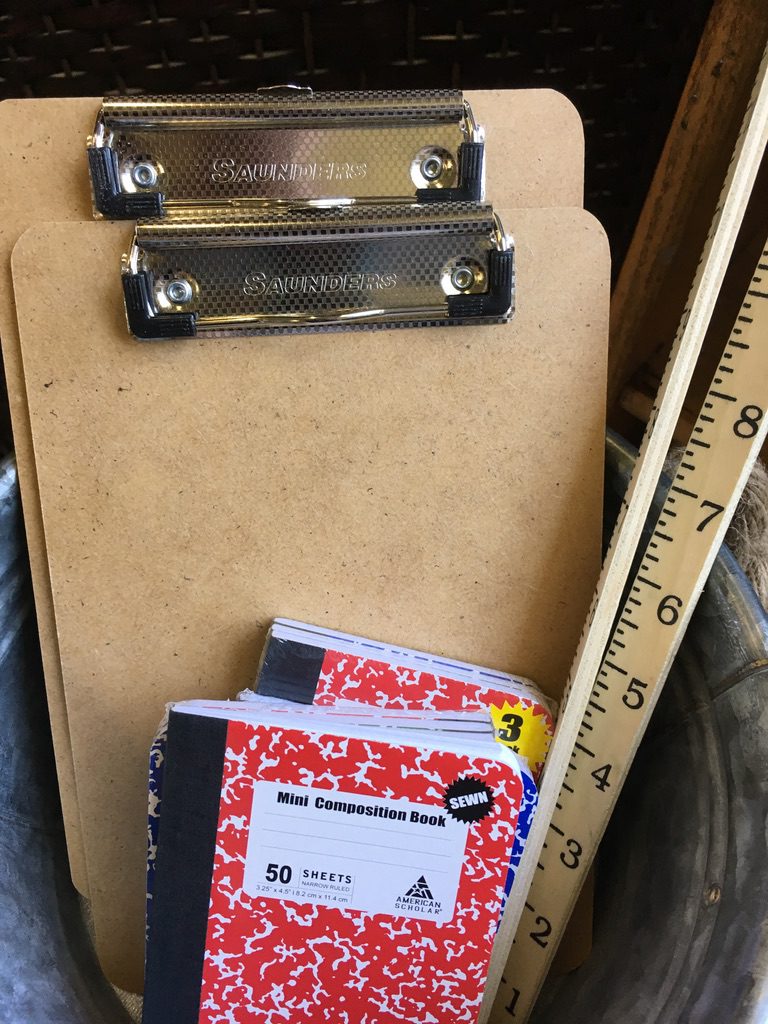
- Add real materials to your dramatic play area (clipboards, timers, old phones)
- Let children sort classroom objects by size, use, or color
- Take a classroom photo tour with iPads or printed polaroids to build visual connection
- Create a simple “Our Day” visual schedule together using real photos
Keep it calm: Focus on predictability and connection, not perfect execution.
Bonus Read-Aloud: The Day You Begin by Jacqueline Woodson. Perfect for building community, honoring differences, and starting conversations about belonging.
The Building Study
Focus: structures, materials, spatial awareness
- Use blocks + natural loose parts (stones, pinecones, leaves) to build shelters for animals or toys
- Take a nature walk to observe local structures—bridges, benches, buildings
- Introduce terms like “tall,” “stable,” and “foundation” during block play
- Create blueprints with rulers and pencils—then build from their designs!
Bonus read-aloud: Iggy Peck, Architect by Andrea Beaty Encourages creativity, persistence, and noticing structures all around us.
The Bread (or Food) Study
Focus: process, culture, math, and sensory
- Use flour, water, and salt to make sensory bread dough or salt dough “pretend baking”
- Create a pretend bakery with labeled prices in dramatic play
- Talk about bread from around the world—show real photos and introduce new vocabulary
- Use food cutters or stamps for fine motor play with homemade dough
This is a great unit for involving family culture, community and food! Bonus Read-Aloud: Bread, Bread, Bread by Ann Morris. Simple text + real photographs introduce children to the diversity of food across cultures.
The Clothes or Fabric Study
Focus: texture, function, seasonal dressing
- Make a fabric sorting station (soft, rough, stretchy, colorful)
- Create a mini laundry center with clothespins and doll clothes
- Talk about where clothes come from and how they’re made
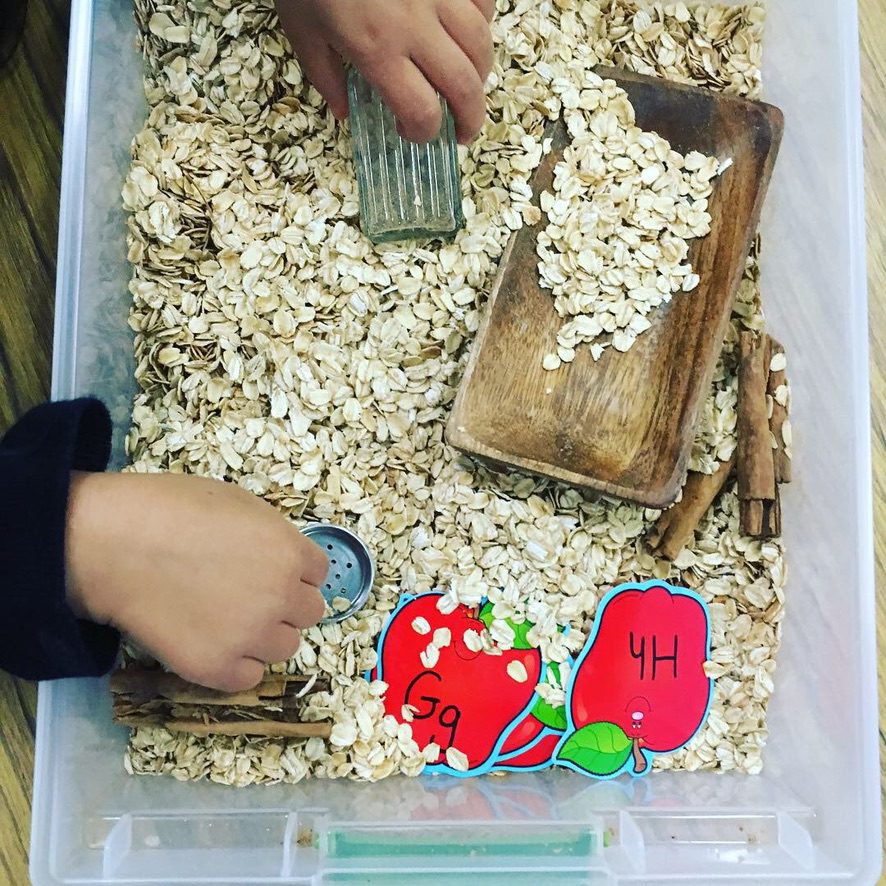
- Use sensory bins with scraps of different fabrics to explore texture and sewing tools (supervised!)
Bonus art idea: Weave ribbon through cooling racks or cardboard looms. Read-Aloud: Joseph Had a Little Overcoat by Simms Taback. A playful story about reusing fabric, creativity, and resourcefulness.
The Reduce/Reuse/Recycling or Trash Study
Focus: responsibility, environmental awareness, classification
- Set up a sorting station for recyclables, natural vs. manmade materials
- Turn your dramatic play center into a recycling center or garbage truck station
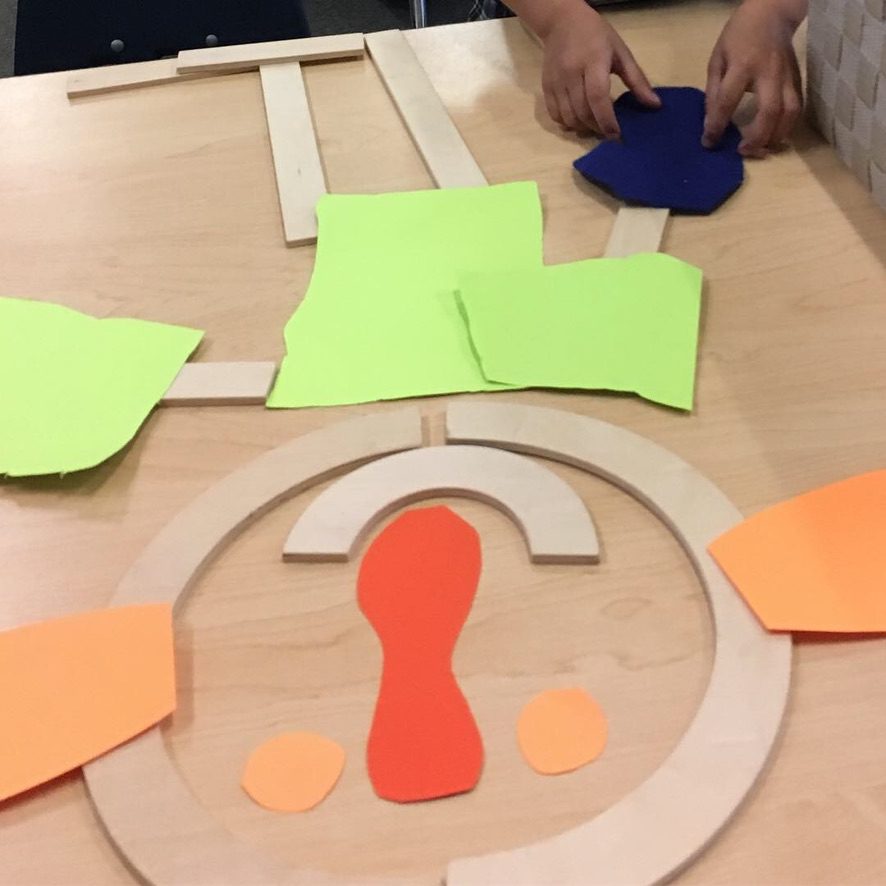
- Build with clean “trash”—bottle caps, boxes, tubes—for sculpture and creativity
- Talk about nature’s version of recycling: worms, compost, leaves becoming soil
You’re already teaching environmental responsibility—this just gives it a name. Read-Aloud: Michael Recycle by Ellie Bethel. Fun, superhero-themed story that makes environmental responsibility accessible to young learners
Teaching the Themes Your Way
You don’t have to follow every lesson to the letter.
Creative Curriculum offers a framework—but the real learning happens in the in-between:
- In the conversations.
- The questions.
- And the spaces where children bring their own stories and observations to the table.
So breathe deep. You don’t have to do it all. Just offer invitations to play, and trust that the learning will follow.
A Note to the Teacher Following the Script
If you’re using Creative Curriculum and feeling like you’re reading more from a binder than connecting with your students—you’re not alone. Those scripted lessons might be well-meaning. But teaching isn’t theater. And you’re not a performer.
You’re a guide. A noticer. A creative soul in the room with 20+ little humans who need real engagement, not memorized lines.
So here’s your gentle nudge:
If the script doesn’t feel like you, it’s okay to say so.
You can still honor the materials. You can still meet expectations. And you can absolutely talk to admin about using the themes as a flexible framework rather than a word-for-word curriculum.
You might say something like:
“I love the structure Creative Curriculum gives me, but I’ve noticed my students respond best when I adapt the activities to be more hands-on and student-led. Could we talk about using the studies as a guide and aligning them with our classroom’s interests and developmental needs?”
That one conversation could shift everything.
And in the meantime? This post will help you take what you have to do, and turn it into something that actually works in your classroom.
Whether It’s Creative Curriculum… or Something Else Entirely
If you’re using Creative Curriculum, you likely feel the tension between structure and spontaneity, between themes that inspire… and scripts that don’t. But if you’re teaching from any boxed program, those pre-planned units, scripted lessons, or color-coded teacher guides—please know this: This post is still for you.
Because the real issue? Most boxed curricula were designed to sell, not to teach. They weren’t created with your students in mind. And far too often, they weren’t written by early educators who understand what developmentally appropriate practice actually looks like.
But you? You were hired for a reason.
And it’s not to follow someone else’s exact script—it’s to teach with intention. To notice. Adapt. Respond to your classroom in real time. And that doesn’t make you defiant. It makes you professional.
So whether you’re handed a binder full of expectations or a program that leaves little room for curiosity, this is your gentle reminder:
- You can honor the standards without abandoning your instincts.
- Make space for joy and still meet your objectives.
- Teach in a way that feels right, and still be seen as a leader in your building.
If this is something you’re struggling with right now, I shared even more encouragement in this post on what teachers are really worried about this back-to-school season.
Spoiler Alert: you’re not alone in any of it. And you don’t have to figure out how to make it all work alone, either.
Feeling Boxed In by the Binder? You’re Not Alone.
- If you’re following a script that doesn’t feel developmentally appropriate…
- Or you know the themes have potential, but the delivery feels disconnected…
- Your admin (or curriculum director) has never stepped foot in a TK or PreK classroom…
It’s not you. It’s the system.
Most packaged programs were sold to schools, not created by educators who understand early childhood.
And while you can’t always change the purchase, you can advocate for how it’s used.
Because you were hired for your expertise, not to read from a script. And your students deserve a teacher, not a narrator.
When the Boxed Curriculum Isn’t Enough
If you’re using Creative Curriculum, or any boxed program, you already know: the themes are rich, but the delivery often leaves little space for curiosity. That’s where Rooted in Wonder comes in.
It’s a full-year science curriculum designed to complement (not compete with) what your school has already purchased. Each theme is nature-aligned, child-led, and play-based, but it also comes with a Teacher’s Guide that connects every lesson back to the standards. That means you can meet expectations and make learning feel like wonder again.
And here’s the part most teachers don’t realize: because Rooted in Wonder was created as a complete curriculum with administrator-friendly documentation, your school can purchase it for you. You don’t have to shoulder the cost yourself, and you don’t have to choose between doing what’s required and doing what you know works for your kids.
- Simple ideas for predetermined themes.
- Child-led invitations that connect across domains.
- A Teacher’s Guide that shows admin the standards you’re meeting.
So yes, you can follow the boxed framework, honor the standards, and still teach in a way that feels like you. Rooted in Wonder was designed to help you do exactly that.
[Explore the Rooted in Wonder Science Curriculum here.]


 Skip to content