
How Inquiry-Based Learning Supports Curiosity, Connection, and Real-World Thinking in TK.
I’ll be the first to say it: I used to teach from a theme binder. I actually moved 7 filing cabinets from one school to another over my 26 years of teaching (but that’s a story for another day).
- Apples in September. (When we lived in the strawberry and garlic capital of the world and they were ripe for the picking).
- Pumpkins in October. (EVERY. DANG. YEAR.)
- Penguins, snowflakes, and snowmen in January (in the middle of the California central coast, where an 80+ degree day was a sure thing).
And honestly? It worked. The kids were engaged. My walls were cute with a capital C. The activities aligned. But over time, I started to notice something missing. We had structure, but not always connection. We had a plan, but not always purpose. The themes were fine. But they weren’t always what the kids were curious about.
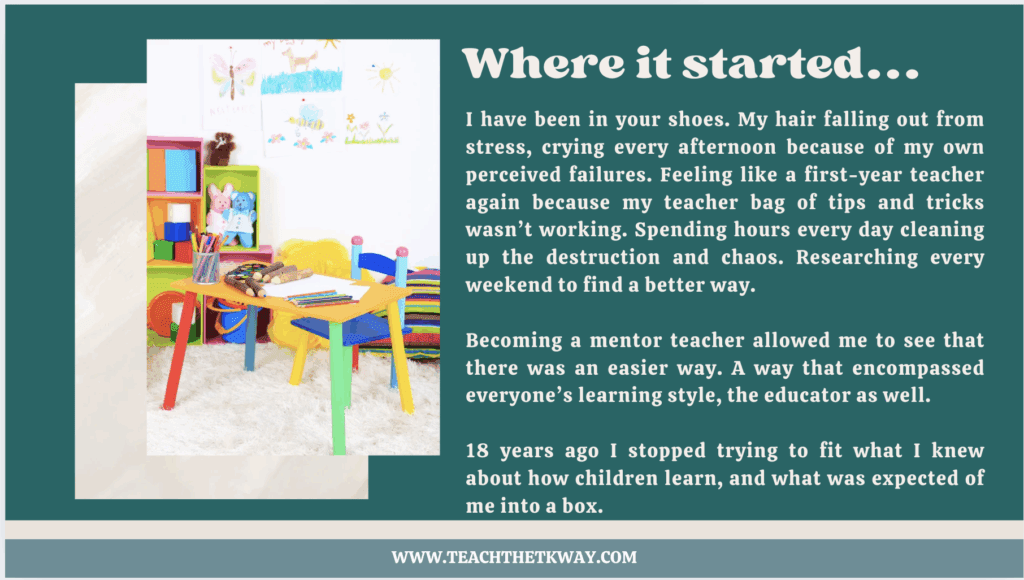
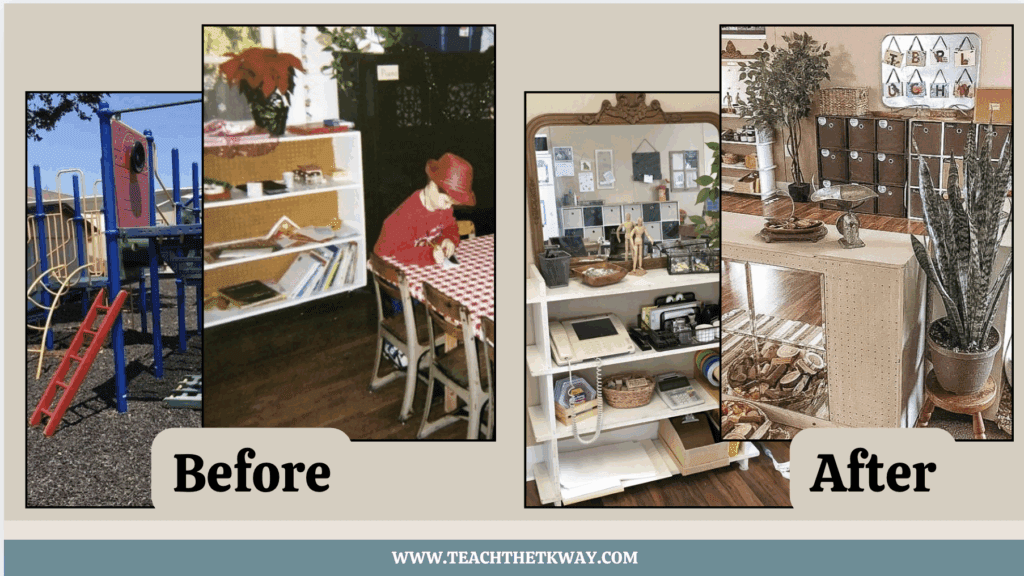
So I started doing something different. I started listening more. Observing more. Following the questions instead of always following the binder. And what happened next changed the way I teach forever.
If you’re using a boxed curriculum or theme planner right now, this post isn’t here to shame you. It’s here to offer a gentle shift, a way to take what you already have, and teach it in a way that feels more natural, more meaningful, and a whole lot more like the early childhood you believe in.
Why I Let My Students Choose the Curriculum (Kind Of)
Here’s what I know for sure: I needed structure just as much as my students did. Not the rigid, minute-by-minute kind, but the kind that gave our day a natural rhythm, one that helped us all breathe. My admin needed structure too, something they could walk into and feel confident about, something they could show on a pacing guide or a walkthrough form. And for years, that structure came from schedules I didn’t create.
But once I started leaning into inquiry based learning, I realized something powerful: my students didn’t thrive on strict timelines. They needed flexibility. They needed time to linger, to question, to reanalyze. So I began designing our classroom flow around real engagement, not just the clock. And that structure? It didn’t disappear, it shifted. It became responsive instead of reactive. Predictable, but never rigid. And it worked, for my students, for my admin, and for me.
The best classrooms aren’t filled with answers. They’re filled with wonder. And a teacher’s job? It’s not to give away the ending, it’s to light the path.
In an inquiry-based classroom, we do exactly that. We follow the child’s curiosity. We observe, we reflect, and we invite them to dig deeper into the questions they’re already asking. It’s not chaotic or fluffy. Instead, deeply intentional and absolutely aligned with how children actually learn.
What Is Inquiry-Based Teaching (and Why Does It Matter in TK?)
Inquiry-based learning starts with a simple premise: Children are born curious. When we follow their questions—and give them the time, space, and materials to explore those questions, we open the door to lifelong learning. Instead of delivering answers, we co-create meaning. Rather than moving from one task to the next following a structured schedule that meets the needs of admin and older grades, we slow down and stay with something.
And while it may feel less structured on the outside, research shows that children in inquiry-based classrooms actually develop stronger:
- Language + vocabulary skills
- Scientific thinking + use of the scientific method
- Early math concept mastery
- Memory retention + long-term scaffolding
The Big Ideas Are Already There, We Just Have to Listen
Every year, I watch my students’ interests unfold like petals, one question leading to another.
Sometimes it’s superheroes. Maybe it’s shadows, storms, or squirrels. Or perhaps “Why do worms live in the dirt?” or “Can trees talk to each other?” And more often than not, snow (which we never saw) turned into an entire study about frost, because it crunched the grass on the way to class.
The questions are always there. Inquiry begins when we decide to follow them. For us, a conversation about weather once turned into a yearlong exploration of the 4 natural elements: Fire. Water. Earth. Air.
Each one sparked dozens of child-led subtopics:
- Mud, soil, plants, trees
- Clouds, kites, parachutes, wind, fog, and frost
- Caves, worms, spiders, and how seeds spread
- Water cycles, rain, puddles, sink vs. float, and ocean tides (we lived near the ocean).
And guess what? It all connected, math, science, art, language, and story. We read more. We remembered more. And we wanted to keep learning.
How to Start an Inquiry-Based Topic in TK
If you’re new to inquiry-based learning, it doesn’t have to be big or bold. It just has to be observant.
Here’s what it might look like:
- Watch + Listen: What are your students constantly talking about, acting out, or returning to during play?
- Ask Open Questions: “What do you think…?” “I wonder why…?” “What else could we try?”
- Choose a Starting Point: Let their interest guide your planning. Introduce new materials, books, or provocations that support the theme.
- Document the Process: Use anchor charts, photos, sketches, and dictation to help children reflect and build vocabulary.
- Let It Grow: Don’t rush. Inquiry is a slow bloom, not a sprint.
Inquiry Isn’t a Break From Standards; It Brings Them to Life
The truth is, inquiry-based TK often covers more academic ground than a traditional program:
- Inquiry classrooms explore up to 32 science-related topics in a year
- They read 70% more books tied to student interests
- Vocabulary grows through authentic exposure, not memorized lists
- Math concepts often stretch far beyond grade-level standards because children are motivated to figure things out
Offering children a chance to explore something beyond their current understanding actually helps them scaffold and retain knowledge more deeply. And when learning feels like discovery, children develop a growth mindset, because mistakes become part of the process, not something to avoid.
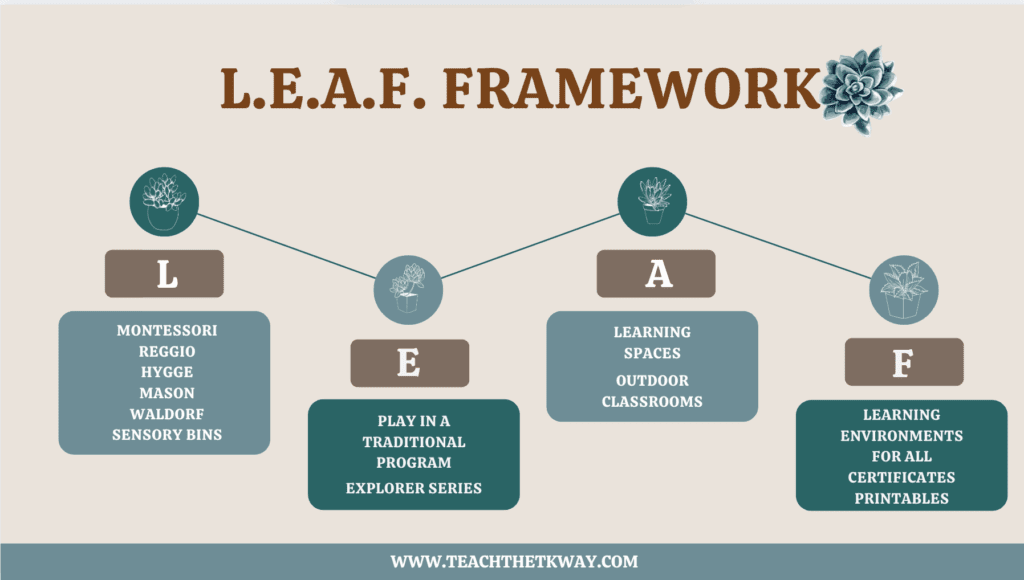
How to Start Small With Inquiry, And Still Meet the Standards
You Don’t Need a Full Reggio Classroom to Teach This Way
Inquiry-based learning isn’t about perfectly curated provocations or a Pinterest-worthy setup. It’s about noticing. Responding and letting curiosity lead the way.
If you’re in a traditional setting, you can still start small:
Add an “I Wonder…” Board to Your Wall
Let your students’ questions become the heart of your curriculum. Each post-it or scribbled idea is a launching point for inquiry—and a powerful tool for oral language development, scientific thinking, and classroom community.
Standards supported:
- Listening and speaking (language development)
- Scientific inquiry and exploration
- Building vocabulary through shared discussion
Create Themed Book Baskets Based on Student Interest
When children see their curiosity reflected on the bookshelf, they’re more likely to engage—and to return to that topic with new questions. A basket of books about shadows, superheroes, or spiders can naturally lead into math (sorting), science (life cycles), or ELA (recall, sequencing, comprehension).
Standards supported:
- Literacy foundations (comprehension, vocabulary, retelling)
- Information gathering through text
- Engagement with nonfiction and fiction texts alike
Laminate Real Photos or Objects That Invite Questions
A photo of a bird’s nest. A real X-ray. A magnified leaf. These everyday provocations spark wonder, dialogue, and investigation. Encourage children to share what they see, wonder, or already know—and document their language to build on later.
Standards supported:
- Scientific reasoning
- Observation and description
- Oral language development
- Visual discrimination and comparison
Ask What They’re Wondering About And Let Them Vote
Turn curiosity into collaboration. Ask your students what they want to learn about, narrow the choices, and let them decide. This builds ownership and introduces early math and SEL skills like classifying, graphing, decision-making, and learning to respect a group decision.
Standards supported:
- Data collection + simple graphing (math)
- Self-regulation, turn-taking, and collaboration (SEL)
- Expressing preferences and making choices (language development)
Document Their Discoveries as They Unfold
Take pictures. Jot down their words. Use anchor charts, dictation, and drawings to help children reflect on what they’ve explored. This practice turns play into evidence of learning—and helps you plan naturally aligned follow-up activities that are child-led and standards-based.
Standards supported:
- Language development (dictation, storytelling, oral language)
- Science (making observations, describing cause and effect)
- Literacy (retelling, labeling, making connections between ideas)
When you slow down and follow your students’ questions, you’re not stepping away from the standards, you’re stepping into them, with more intention and joy. And the best part? The kids lead the way. You just hold the map.
A Book List to Inspire Inquiry Based Learning, Curiosity + Growth
- What Do You Do With an Idea? – Kobi Yamada
- Ada Twist, Scientist – Andrea Beaty
- Everybody Needs a Rock – Byrd Baylor
- How to Catch a Star – Oliver Jeffers
- The Dot – Peter H. Reynolds
- Hana Hashimoto, Sixth Violin – Chieri Uegaki
- Drum Dream Girl – Margarita Engle
These stories spark conversation, stretch thinking, and support the inquiry process by celebrating imagination, problem-solving, and perseverance.
Teaching in the Middle? You’re Right Where You’re Supposed to Be.
You don’t have to be a Reggio expert. Or have a Pinterest-perfect, nature-inspired classroom (yet). You don’t have to do it all perfectly. But you do have to do one thing: stay open to wonder.
Because when children are free to ask questions, without needing to “get it right” the first time, they begin to build the very foundations of higher-order thinking. According to the National Research Council, deep learning happens when students are actively engaged in constructing their own understanding, not just receiving information. That means real learning isn’t about covering more, it’s about uncovering meaning.
In fact, studies show that when teachers honor students’ interests and design learning experiences around inquiry and exploration, students demonstrate stronger language development, improved working memory, and more consistent problem-solving abilities. It’s not just a “cute” way to teach. It’s neurologically sound.
And it doesn’t take a full Reggio overhaul to begin. Start by noticing. Listening. Observing the themes your students return to again and again in their play or conversations. These questions, “Where do puddles go?” “Why do bugs live underground?” “Can I build a ramp for my truck?” is the curriculum. You just get to hold the map.
The truth? You’re already doing the work that matters most.
Teaching in the middle, between structure and spontaneity, standards and wonder, isn’t a compromise. It’s a calling. And every day you make room for curiosity, you’re showing your students that their ideas are valuable. That learning isn’t about getting the answer, it’s about asking better questions. That’s the kind of teacher children remember. That’s the kind of learning that lasts.
When the Theme Binder Becomes a Barrier
Here is the reality teachers are facing: the binder feels safe, the admin wants to see fidelity, and play-based teaching often feels misunderstood. Maybe you’ve been told to “follow the binder.” Maybe your lesson plans are being checked for fidelity, not flexibility. Or maybe you’ve heard some version of: “Just stick to the plan. It’s what we bought.”
And while the themes might be fine, your students? They’re showing you something different. They’re asking questions. Leaning into wonder. Craving more than what’s printed on page 13. That doesn’t make you difficult. It makes you a professional who knows that the child is the curriculum, not the other way around.

If you’re ready to talk to your admin about why you’re teaching this way—without defensiveness or overwhelm—the Talk So Admin Will Listen Playbook will help you:
- Use confident, respectful language rooted in research
- Reframe boxed curriculum as a starting point, not the only point
- Show how inquiry-based teaching meets and exceeds standards
- Advocate for flexible planning that honors developmentally appropriate practice
Because honoring children’s curiosity in a traditional program isn’t going rogue. It’s teaching. The way it was always meant to be.
Ready to Bring Inquiry Based Learning + Intention Into Your Day?
If this post has you nodding along…If you’re ready to follow your students’ questions but still want a plan that feels grounded and supportive… You don’t have to figure it out alone.
The Power of Play Planning Challenge will help you reframe what learning really looks like in a standards-driven world so you can teach with confidence, even when it feels like play doesn’t “fit.”
And if you’re craving practical tools to plan your days with more calm and clarity, the Teach the TK Way Blueprint™ gives you a step-by-step guide to building a classroom that honors both curiosity and curriculum.
Because inquiry isn’t extra. It is the work. And you’re more than capable of doing it beautifully.

If inquiry-based learning excites you but you’re not sure how to make it fit in a standards-driven classroom, you’re not alone. That’s exactly why I created the Rooted in Wonder Science Curriculum. It’s built on essential questions and child-led exploration, but it also comes with a Teacher’s Guide to help you tie it all back to the standards you need to meet. Imagine having a full year of inquiry-based lessons—ready for you, rooted in play, and designed to follow your students’ curiosity.

 Skip to content
2 Responses
I would love to know more and share the idea with my administration. I try to balance a play-based, student-centered room, yet the district still has demands that I have to meet.
Hi Tia- Let me know how to help. I have a few documents for admin- How to Talk So Admin Will Listen as well as Master Guide to Natural Classrooms